Step 2: Vacuum slowly
Use the upholstery tool and go over the whole top surface in slow, overlapping strokes. Spend extra time on the seams, buttons and edges: that is where dust and skin cells collect. Do the sides too. If the mattress sags or you wake up sore, cleaning will not fix it: see when to replace your mattress.
Step 3: Treat stains (before the baking soda)
The golden rule: blot, never rub, and use as little liquid as possible. A mattress takes days to dry inside, and trapped moisture means mold.
- Sweat and yellow stains: mix 1/2 cup 3% hydrogen peroxide, 1 tablespoon baking soda and a drop of dish soap. Dab it on with a cloth, wait 5 minutes, blot with a damp cloth, then a dry one. Test a hidden spot first.
- Urine: blot up as much as possible, then use an enzyme cleaner following the label. Enzymes break down the uric acid that causes the smell. Do not use bleach.
- Blood: use cold water only (hot water sets blood), then a little hydrogen peroxide on a cloth. Blot.
- Unknown stains: a few drops of dish soap in cold water, blotted on and off.
Use one product per stain and let the spot dry before the next step.
Step 4: The baking soda layer
Put baking soda in a sieve and shake a thin, even layer over the whole top surface. It absorbs moisture and odors from the top layer of the mattress. Leave it at least 4 hours; overnight or a full day is better. If you can, open the curtains: sunlight helps dry and freshen the fabric.
Tip: do this in the morning and sleep on the couch or in a guest bed if you want a full 24 hours. It makes a noticeable difference with older mattresses.
Step 5: Vacuum again
Vacuum up all the baking soda slowly, with the same attention to seams. Then flip or rotate the mattress (check whether yours is one-sided) and repeat on the other side if you have time.
Step 6: Protect it
In winter, keep indoor humidity under 50% (a dirty or overworked humidifier feeds dust mites and mold), and wash bedding on the schedule in our how often to wash everything chart.
The EPA lists dust mites, which feed on skin flakes in mattresses and pillows, as a common asthma trigger and recommends dust-proof covers and washing bedding in hot water weekly.
Put on a waterproof, breathable mattress protector before the sheets. It blocks sweat and spills and can go in the washing machine. It is the cheapest way to make a mattress last years longer.
Stain chart: what to use on each mattress stain
Always blot, use as little liquid as possible, test on a hidden spot, and use one product per stain. Never add bleach to a spot you treated with an enzyme cleaner, vinegar or ammonia.
| Stain | Use | Water temperature | Do not use |
|---|---|---|---|
| Sweat / yellowing | 3% hydrogen peroxide + a little baking soda + 1 drop dish soap | Cool | Chlorine bleach (can yellow it more) |
| Urine (pet or child) | Enzyme cleaner, following the label | Cool | Bleach, ammonia cleaners |
| Blood | Cold water, then 3% peroxide on a cloth | Cold only | Hot water (sets it) |
| Vomit | Scrape, blot, enzyme cleaner | Cool | Heavy soaking |
| Coffee / tea | Dish soap in cool water, blot | Cool | Bar soap |
| Red wine | Dish soap + 3% peroxide (light fabric only) | Cool | Rubbing hard |
| Makeup / oils | Cornstarch to absorb, then dish soap | Lukewarm | Lots of water |
| Mildew spots | Seek the cause first; small spots: 3% peroxide | — | Drenching the mattress |
Peroxide can lighten colored ticking (the fabric cover). If your mattress has a colored or patterned cover, test first or stick to dish soap and an enzyme cleaner. For other fabrics and surfaces, our stain remover finder gives the steps for 13 stains.
Memory foam, innerspring, hybrid: what changes
| Type | Vacuum | Liquids | Baking soda | Flip? |
|---|---|---|---|---|
| Innerspring | Yes, firm pressure OK | Small amounts | Yes | Only if two-sided; rotate every 3–6 months |
| Memory foam | Yes, gentle | Very little; foam absorbs and dries slowly | Yes | Usually no; rotate head to foot |
| Hybrid | Yes | Very little | Yes | Usually no; rotate |
| Latex | Yes | Very little; avoid harsh chemicals | Yes | Depends on model |
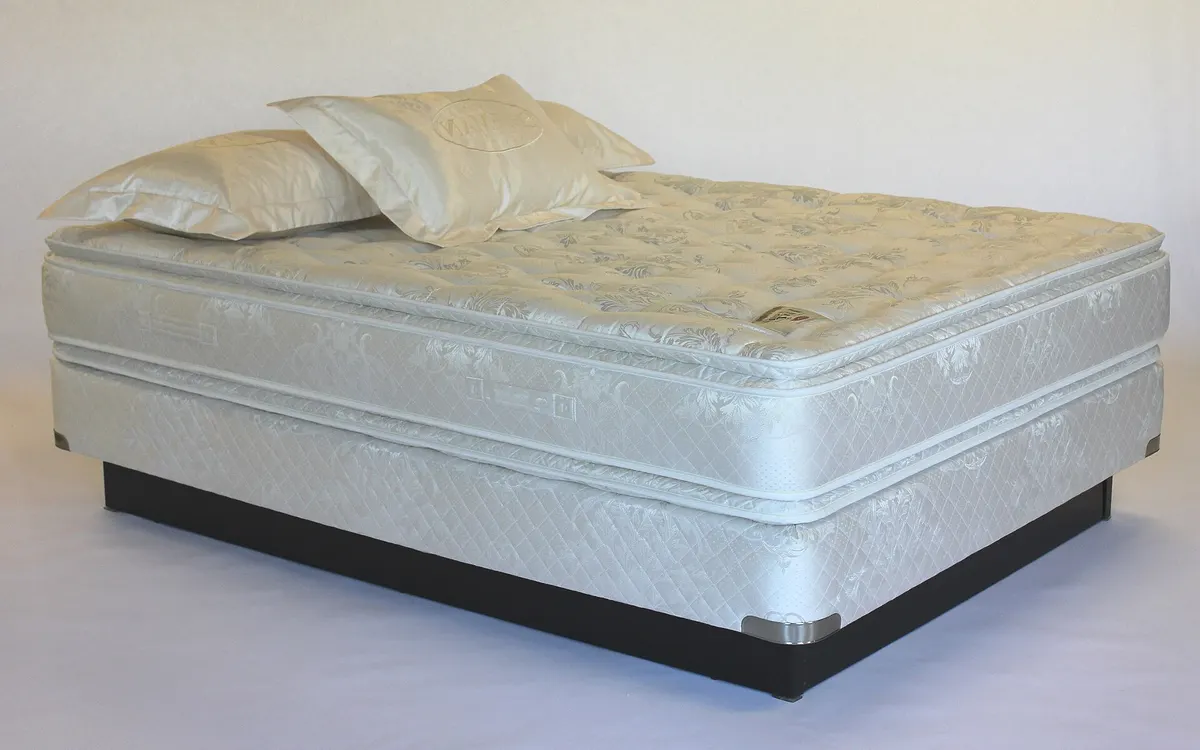
| Pillow-top | Yes, gently on the top layer | Very little | Yes | No; rotate |
Your mattress warranty and care label are the final word. Many warranties require a protector and can be voided by stains, which is one more reason to put one on.
Drying: the step that prevents mold
The EPA’s mold guidance is simple: mold needs moisture, so the key is drying wet materials quickly, ideally within 24 to 48 hours. For a mattress:
- Blot out as much liquid as you can with dry towels, pressing hard.
- Point a fan at the damp spot, or open windows on a dry day.
- Leave the bed unmade until the spot is completely dry to the touch, and then a few more hours.
- Only then add the baking soda layer.
If a mattress gets soaked (a flood, a leak, a large spill that went deep), it is very hard to dry inside. In that case replacing it is usually safer than trying to save it.
Dust mites: what actually helps
Dust mites live in every home and feed on skin flakes in mattresses, pillows and bedding. The EPA lists them as a common asthma trigger and recommends:
- Dust-proof (allergen) covers on mattresses and pillows.
- Washing bedding in hot water every week and drying it completely.
- Vacuuming carpets and fabric furniture weekly, with a HEPA vacuum if possible.
Baking soda freshens the smell; it does not remove dust mites. The cover and the hot weekly wash are what make the difference.
A case with numbers: what a protector saves
A queen mattress often costs $500 to $1,500 in the US, and many last 7 to 10 years. A decent waterproof, breathable protector costs roughly $20 to $50. One stain that voids the warranty, or one bad spill that soaks in, costs more than a protector ever will. (Prices vary; these are typical ranges, not quotes.)
Common mistakes
- Spraying cleaner straight onto the mattress instead of onto a cloth.
- Using a steam cleaner on memory foam without the manufacturer’s OK: heat and moisture can damage foam.
- Putting the sheets back on too soon after spot cleaning.
- Using essential oils with cats in the house: several oils are toxic to cats. Skip them.
- Vacuuming with a dirty brush attachment: wash it first or you are just moving dust around.
When cleaning is not enough
Visible sagging, springs you can feel, waking up sore, or stains and smells that come back are signs the mattress is near the end. Here is how to tell when to replace your mattress and pillows, with the 30-second fold test for pillows.
Steam cleaners and carpet machines: yes or no?
Handheld steamers can freshen the surface of an innerspring mattress, but they push heat and moisture into the top layers. On memory foam, latex and pillow-tops, check the manufacturer’s care instructions first; many say no water-based deep cleaning at all.
Carpet and upholstery machines that spray and extract water put far more liquid into a mattress than spot cleaning does. If you use one, use the upholstery tool, a single light pass, as little solution as possible, then a fan for many hours. For most people, spot cleaning plus baking soda is safer and gets the same visible result.
Whatever you use, the rule from the drying section stands: the mattress must be completely dry before the sheets go back on.
How often to do it
- Vacuum and baking soda: every 1 to 3 months.
- Full deep clean with stain treatment: twice a year, at spring and fall cleaning.
- Wash the protector: every couple of weeks.
Add it to your calendar with our printable seasonal cleaning checklist.
FAQ
How often should I clean my mattress?
Vacuum and deodorize every one to three months and do a full deep clean twice a year, ideally when you flip or rotate it.
Can I add essential oils to the baking soda?
A few drops mixed into the baking soda adds scent, but some oils irritate skin and are toxic to pets, especially cats. Skip them if you have pets or sensitive skin.
How do I get yellow sweat stains out of a mattress?
Blot with a mix of hydrogen peroxide, a little baking soda and a drop of dish soap, let it work, then blot with a damp cloth. Test on a hidden spot first, as peroxide can lighten colored fabrics.
Sources
Always follow the label on your product. Labels are the legal use instructions in the US.
Save this for cleaning day. Pin it so you can find it later.
Save to Pinterest Read next How to Get Rid of a Toilet Bowl Ring (Hard Water, Mold or Rust?)