The 2-minute trap
- Pour about 1/2 inch (1 cm) of apple cider vinegar into a small jar or ramekin.
- Add one drop of dish soap and swirl. The soap breaks the surface tension, so flies that land sink instead of walking away.
- Cover with plastic wrap and poke 4–5 small holes with a toothpick, or roll a paper cone with a small opening and set it in the jar.
- Place one trap next to the fruit bowl and one near the sink.
- Empty and refill every 3–4 days.
No cider vinegar? A splash of red wine or a piece of overripe banana in the jar works too.
Where they are breeding: the 5 usual spots
| Spot | What to look for | Fix |
|---|---|---|
| Fruit bowl | Soft bananas, split tomatoes, potatoes or onions going bad | Refrigerate ripe produce, toss anything soft or leaking |
| Kitchen trash | Juice at the bottom of the can, no lid | Take it out daily for a week, wash the can, use a lid |
| Recycling | Unrinsed bottles, cans, juice cartons | Rinse before recycling |
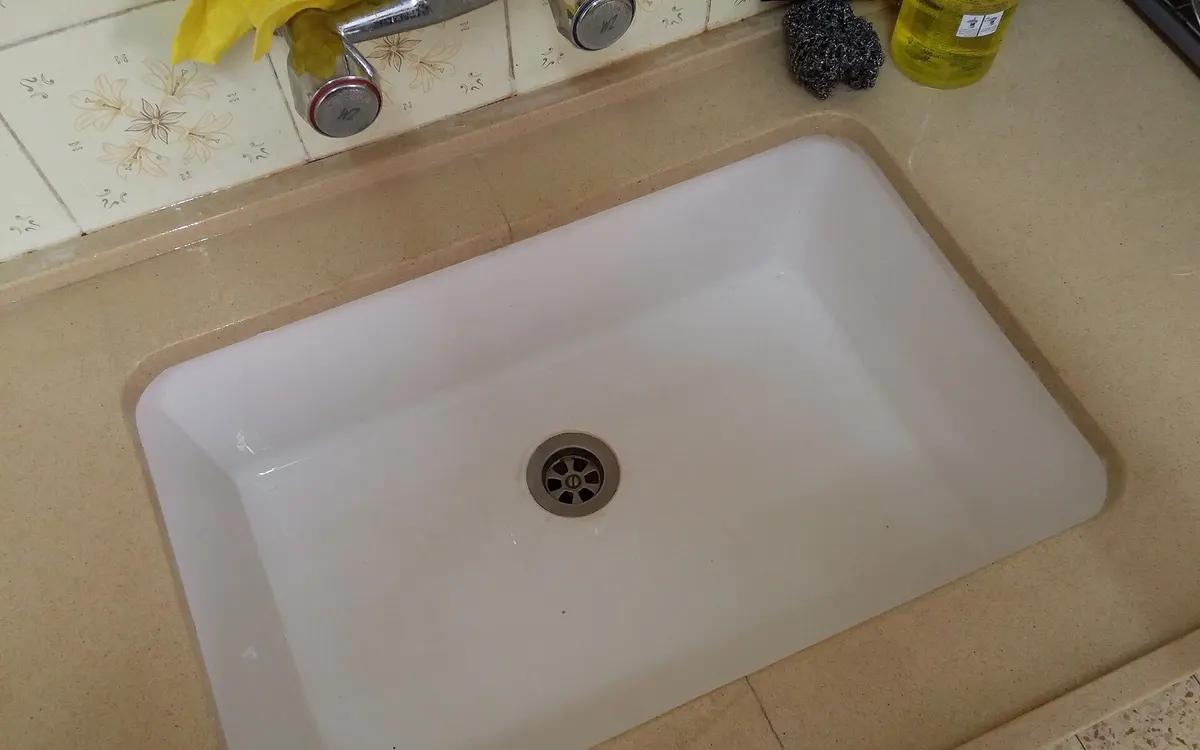
| Sink drain | Dark slime inside the drain pipe | Scrub with a drain brush and dish soap, flush with hot water |
| Under appliances | Spilled juice or a forgotten onion | Pull out and wipe, especially under the fridge |
A quick test for drains: tape a clear plastic bag or a piece of plastic wrap loosely over the drain overnight. If flies are trapped under it in the morning, the drain is a breeding site.
Cleaning the drain properly
Boiling water alone often does not remove the film where eggs are laid. Instead:
- Scrub inside the drain as far as you can reach with a long, thin drain brush and dish soap.
- Pour a kettle of hot water down slowly.
- If your sink has a garbage disposal, clean the splash guard too; see how to clean a garbage disposal.
- Repeat daily for a week.
Avoid stacking drain products. Bleach followed by vinegar, or two different drain cleaners, can release toxic gas or splash back. One product, then water. See cleaning products you should never mix.
Why they keep coming back
Fruit flies reproduce quickly in a warm kitchen, which is why a few flies can turn into a cloud within a week. Adults lay eggs in fermenting food and moist organic film; the young feed there before turning into adults. So:
- Traps catch adults that are already flying.
- Cleaning removes the eggs and young you cannot see.
Do both every day for about one to two weeks, which covers the next generation. If flies are still appearing after that, there is a breeding spot you have not found yet: check under the fridge, the recycling bin, a houseplant saucer with standing water, and any mop or rag that stays damp.
Fruit fly or drain fly?
| Fruit fly | Drain fly | |
|---|---|---|
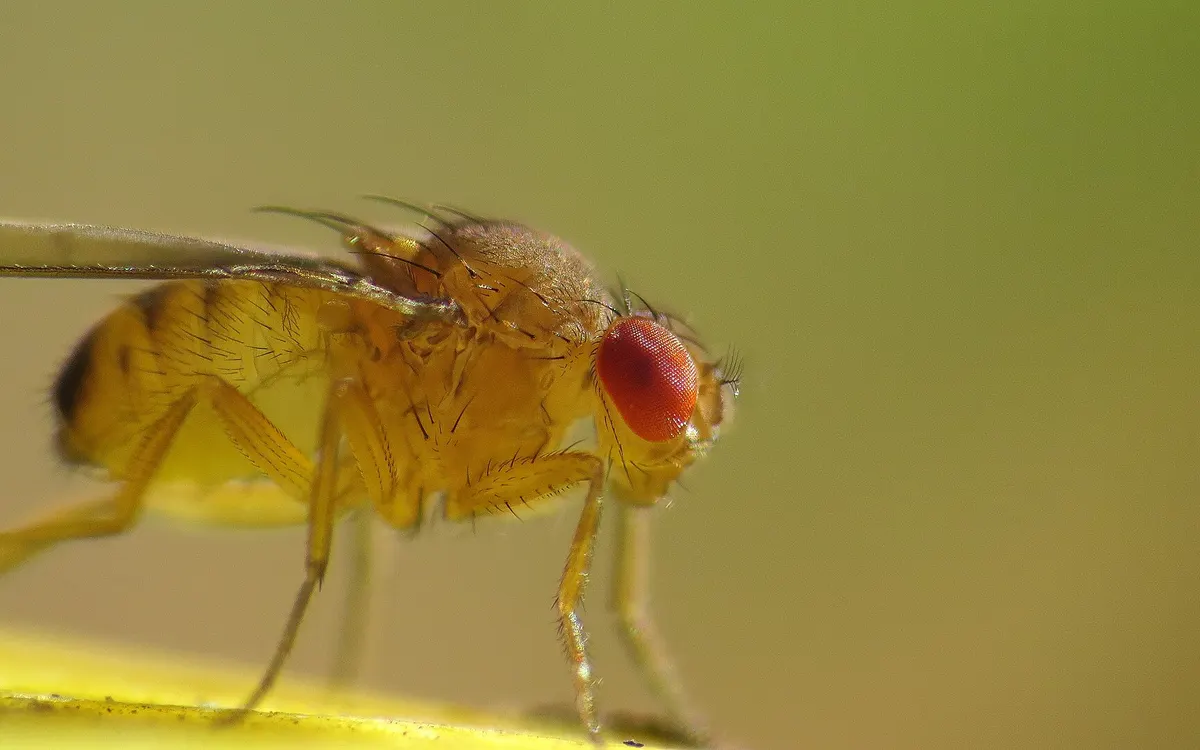
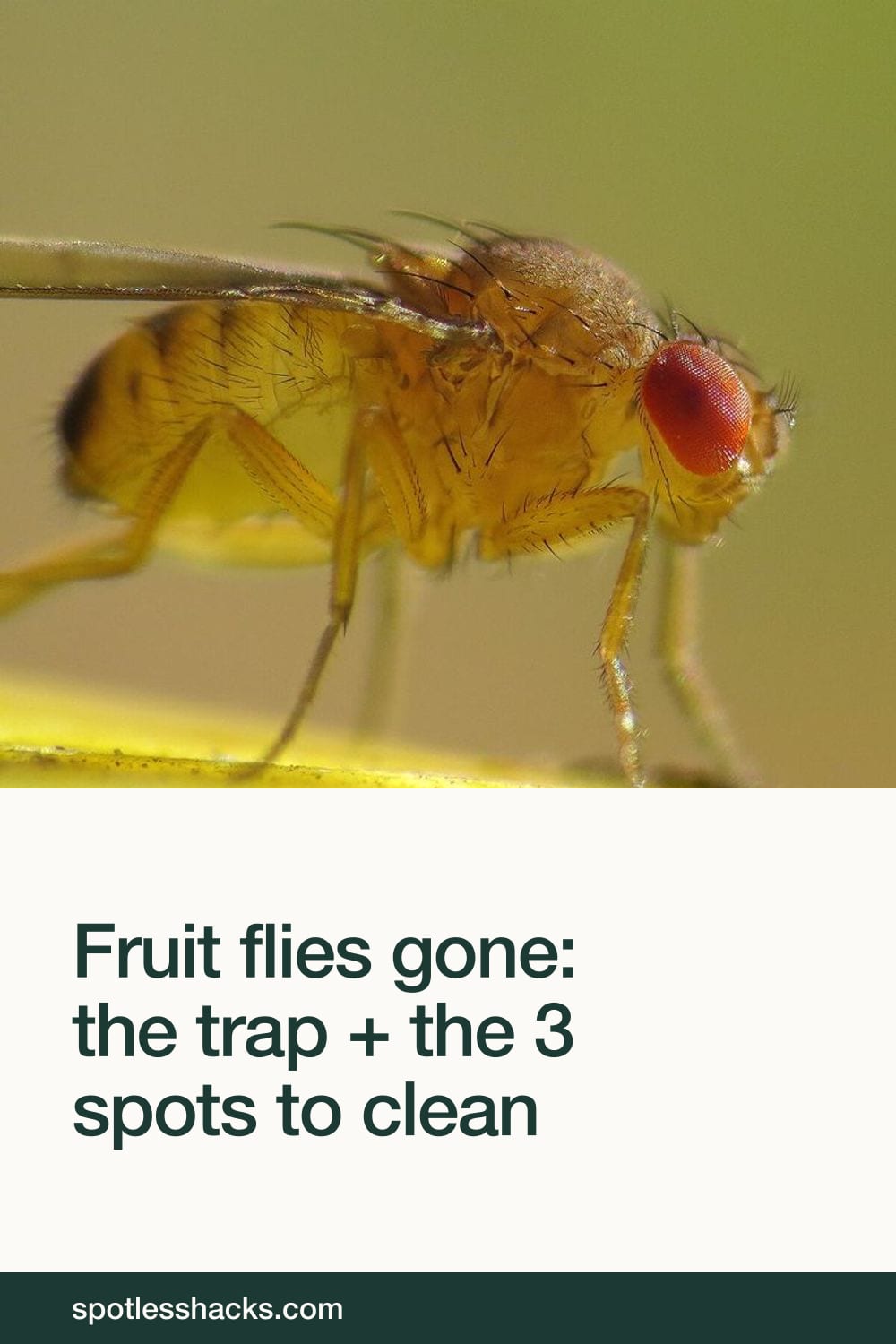
| Look | Tan body, often red eyes | Fuzzy, moth-like wings, gray |
| Where | Around fruit and trash | On bathroom or kitchen walls near drains |
| Fix | Remove produce, clean trash, trap | Scrub drains and overflows; trap works less |
Prevention checklist
- Rinse fruit when you bring it home and refrigerate anything ripe.
- Take the trash out every day or two in summer.
- Wipe counters and sink dry at night.
- Rinse recyclables.
- Wash dish cloths and replace sponges often (here is how often to wash everything).
Sources
Always follow the label on your product. Labels are the legal use instructions in the US.
Save this for cleaning day. Pin it so you can find it later.
Save to Pinterest Read next How to Get Rid of That Musty Smell in Towels (and Make Them Fluffy Again)