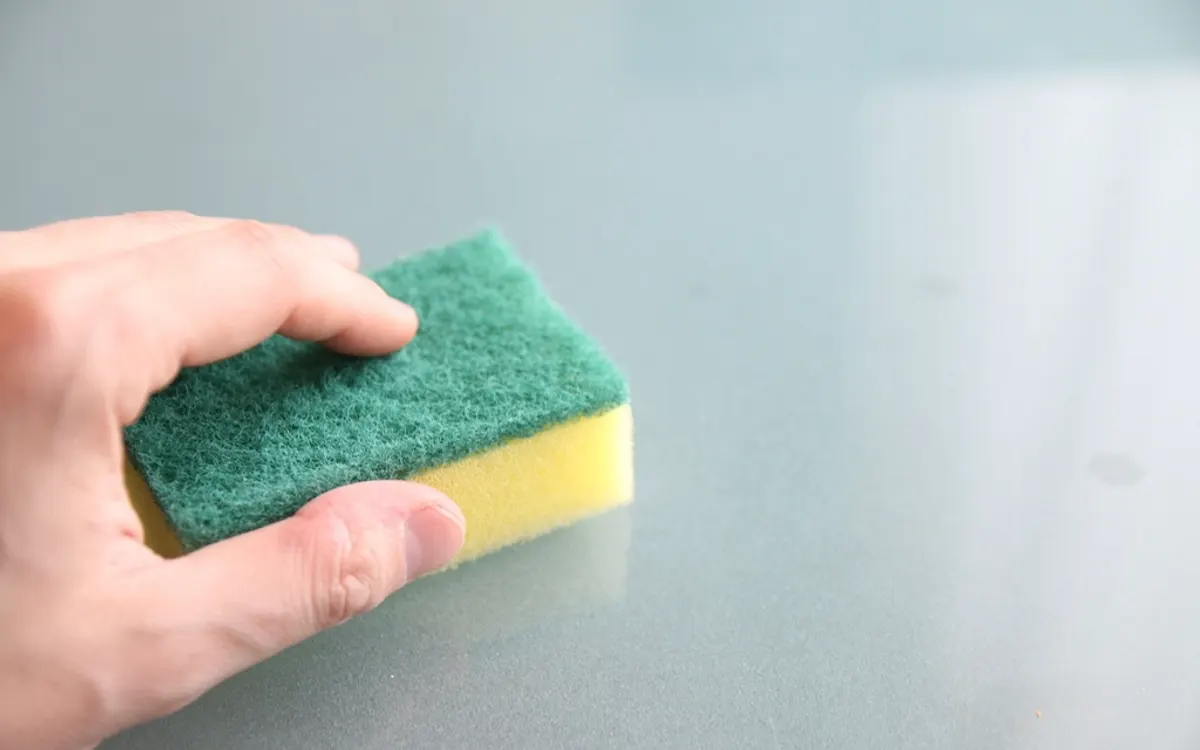
Then a 2017 study published in Scientific Reports sequenced bacteria in used kitchen sponges and found they host huge, dense bacterial communities. Sponges that people cleaned regularly did not come out much better, which is why the authors suggested replacing sponges regularly (they mentioned weekly) instead of trying to sterilize them forever.
The practical takeaway: clean it often, replace it often.
Step-by-step: the microwave method
- Rinse the sponge and squeeze out food bits.
- Soak it completely in water. It should drip.
- Put it on a microwave-safe plate. Check there is no metal scrubber.
- Microwave on high for 1 minute (about 2 minutes for a thick sponge, in a lower-power microwave).
- Leave it in the microwave for a few minutes to cool. It will be very hot.
Bonus: the steam softens the microwave walls, so wipe them right after. Here is the full lemon microwave trick.
The real cost of replacing sponges
| How often | Sponges per year | At $0.25 each (bulk) | At $0.50 each |
|---|---|---|---|
| Every week | 52 | $13 | $26 |
| Every 2 weeks | 26 | $6.50 | $13 |
| Every month | 12 | $3 | $6 |
Replacing weekly costs roughly the price of a couple of coffees a year. If that feels wasteful, a middle ground: use a new sponge for dishes, then demote the old one to cleaning the floor or the outside of the trash can for its second week, and cut a corner off so you know which is which.
Habits that matter more than the method
- Let it dry. Squeeze it out and stand it up in a draining holder, not flat in a wet puddle by the sink.
- One sponge for dishes, another for spills. Do not wipe up raw meat juice with the dish sponge; use paper towels or a cloth that goes straight in the wash.
- Smell test. If it smells sour, it is done. No method fixes that reliably.
- Wash dish cloths often. Cotton dish cloths go in a hot wash every day or two.
Alternatives
- Silicone scrubbers dry quickly and go in the dishwasher, though they are weaker on stuck-on food.
- Dish brushes with replaceable heads dry faster than sponges.
- Cotton dish cloths can be laundered hot, then reused. Our how often to wash everything chart has the schedule.
Next: the other hidden smell in the kitchen, the dishwasher filter.
Sources
- USDA Agricultural Research Service
- Scientific Reports (Nature): kitchen sponge microbiome study, 2017
- FDA: Microwave Ovens (safety)
Always follow the label on your product. Labels are the legal use instructions in the US.
Save this for cleaning day. Pin it so you can find it later.
Save to Pinterest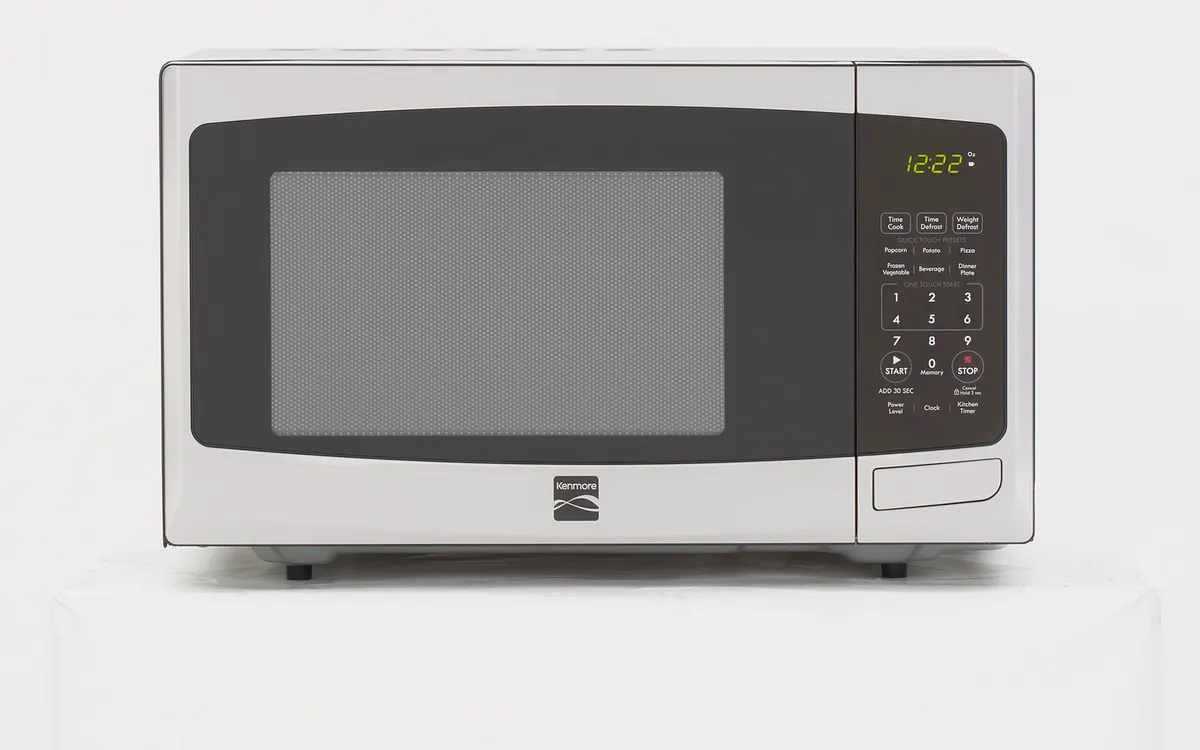 Read next How to Clean a Microwave in 5 Minutes With a Lemon